
Rising Scholars News
1682 articles were found.
How to Write the Discussion of a Research Article?

This blog post provides guidelines for writing the Discussion section of a journal article.
What I Learnt on the INASP AI in Research Pathway — And Why It Changed How I Think About My Work
AI has come to stay, so all hope of getting AI out of the way is aborted. What is left is the ability of the human resource to harness these …
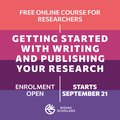
Write and publish your research paper, start to finish: join our most popular open course
Open now: our new research writing learning pathway
Participatory Research: An Opportunity to Integrate Communities and Researchers (Bilingual Publication)

Participatory research refers to a collaborative approach that equitably involves those affected by an issue in all stages of the research cycle. It engages those who are not necessarily trained …
How to Write the Introduction of a Research Article?

This blog post provides guidelines for writing the introduction to a research paper.
Enrolment open: Working with Communities: Participatory Research for Policy Change
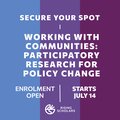
Are you looking to engage communities more meaningfully in your research? Our newest open course, Working with Communities: Participatory Research for Policy Change, is now open for enrolment. Nine weeks, …
Learning pathways are here - and there's more to explore
Rising Scholars and Research Alpha: a new partnership for Rising Scholars members

Health researchers, the global evidence ecosystem and Healthcare Information For All (HIFA)
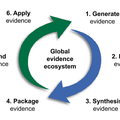
Quality health care is fundamentally dependent on researchers as the first component of the global evidence ecosystem. Strengthening communication, understanding and advocacy across the system, including and especially health researchers, …